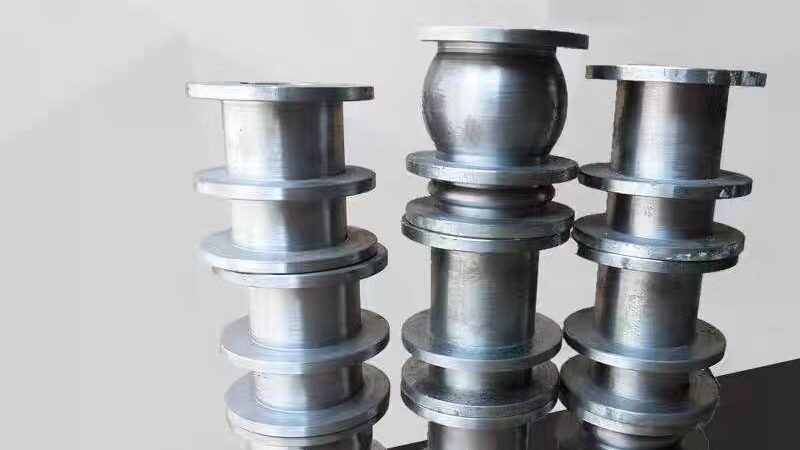
Selecting the correct machine size requires analyzing pipe diameter, wall thickness, and bend radius rather than just relying on maximum capacity labels. Many fabricators mistakenly buy a larger machine assuming it offers more versatility, only to discover it lacks the torque and die precision required for thin-walled tubing. The true determining factor for what size pipe bender you need lies in the relationship between the outer diameter (OD) and the wall thickness, combined with your specific centerline radius (CLR) requirements. This comprehensive engineering guide will walk you through the exact calculations, industry standards, and practical scenarios to help you select the optimal equipment for your workshop, ensuring you achieve precise, wrinkle-free bends without overspending on unnecessary capacity.
Understanding Pipe Bender Sizing and Capacity
The fundamental mistake in equipment selection is equating machine size solely with the maximum outer diameter it can physically bend. A machine rated for 63mm OD might struggle significantly with a 60mm pipe if the wall thickness exceeds 3.0mm, due to the exponential increase in bending force required. Bending force is not linear; it scales with the section modulus of the pipe cross-section. Therefore, understanding what size pipe bender you need requires evaluating the material’s yield strength, the wall thickness, and the die geometry simultaneously.
Industry standards such as ASTM A53 for seamless and welded black and hot-dipped galvanized steel pipe dictate strict tolerances on wall thickness and mechanical properties. When bending pipes manufactured to these standards, the machine must generate enough torque to overcome the yield point without exceeding the ultimate tensile strength, which would cause fracturing. A properly sized bender accounts for these material properties, ensuring the bending rollers and dies can apply uniform pressure across the entire cross-section.
Furthermore, the physical footprint and mechanical design of the bender dictate its practical limits. Vertical electric benders save significant floor space but rely on specific gear ratios to multiply motor torque. If you select a machine based purely on OD capacity without considering the gear reduction, you will experience stalling when bending thick-walled structural pipes. Evaluating the complete mechanical advantage of the drive system is just as critical as checking the maximum die size.
Key Technical Considerations for Sizing
To accurately determine what size pipe bender you need, you must evaluate three critical engineering parameters: the diameter-to-thickness ratio, the bend radius multiplier, and the material’s springback characteristics. Ignoring any of these variables will result in defective parts, excessive tooling wear, or machine damage.
Diameter-to-Thickness Ratio (D/t)
The D/t ratio is the most critical metric in pipe bending. It is calculated by dividing the pipe’s outer diameter by its wall thickness. For example, a 25.4mm pipe with a 2.0mm wall has a D/t ratio of 12.7. Machines are optimized for specific D/t ranges. A high D/t ratio (thin walls) requires precise mandrel support to prevent ovality, while a low D/t ratio (thick walls) demands massive torque. Standard vertical benders handle D/t ratios between 10 and 25 efficiently. Ratios below 10 often require specialized CNC machines with mandrel capabilities.
Centerline Radius (CLR) Constraints
The bend radius dictates the die size and the mechanical leverage required. A tight radius (e.g., 2x OD) requires significantly more force than a standard radius (3x or 4x OD). According to ANSI B31.3 for process piping, tight radius bends induce severe thinning on the extrados (outside of the bend). Your machine must have the mechanical rigidity to hold the die securely against this immense radial force. If the machine frame flexes, the bend angle will be inconsistent across your production batch.
Material Yield Strength and Springback
Different materials exhibit varying degrees of elastic recovery, known as springback. Mild steel typically springs back 2 to 3 degrees, while 304 stainless steel can spring back 4 to 6 degrees. The machine’s control system and mechanical stops must allow for precise overbending compensation. Manual or basic electric benders require physical adjustment of the stop blocks, whereas CNC models use closed-loop encoder feedback to automatically adjust the final angle, ensuring what size pipe bender you need aligns with your required angular tolerance.
Step-by-Step Sizing Method and Machine Comparison
Determining the correct equipment size follows a systematic engineering process. First, identify the maximum pipe OD and wall thickness you will process. Second, calculate the D/t ratio to determine if a standard die or a mandrel die is necessary. Third, establish the minimum centerline radius you need to achieve. Finally, cross-reference these parameters with the machine’s torque curve and maximum capacity chart.
Many fabricators overlook the importance of the machine’s torque curve. A manufacturer might claim a machine bends up to 76mm OD, but that might only apply to thin-walled aluminum or mild steel with a large bend radius. If you are bending thick-walled stainless steel at a tight radius, the required torque might exceed the motor’s capacity, even if the pipe OD is well within the machine’s nominal limit. Always request the torque curve from the supplier.
To help you visualize the differences between machine types and their appropriate applications, refer to the comparison table below. This data highlights how capacity, control precision, and pricing scale with machine size and technology. For more detailed insights on drive mechanisms, you can also read our guide on Electric Vs Hydraulic Pipe Bender.
| Feature | Model 38 Vertical | Model 63 Vertical | Model 76 Vertical | CNC Platform (Multi-Axis) |
|---|---|---|---|---|
| Max Pipe OD | 38 mm (1.5″) | 63 mm (2.5″) | 76 mm (3″) | 76 mm (3″) and above |
| Max Wall Thickness | 2.0 mm (Mild Steel) | 3.0 mm (Mild Steel) | 4.0 mm (Mild Steel) | 6.0 mm (Mild Steel) |
| Min Bend Radius | 3x OD | 3x OD | 3x OD | 1.5x OD (with mandrel) |
| Angle Accuracy | ± 1.0° | ± 1.0° | ± 1.0° | ± 0.5° |
| Drive Mechanism | Electric Motor | Electric Motor | Electric Motor | Servo Motors |
| Mandrel Support | No | Optional | Optional | Standard |
| Price Range (USD) | $365 – $500 | $600 – $900 | $900 – $1,200 | $5,800 – $14,000 |
Real Customer Case Study: Greenhouse Hoop Fabrication
A commercial agricultural equipment manufacturer in Southeast Asia approached us to upgrade their greenhouse framing production. They were fabricating hoops using galvanized steel pipe conforming to ASTM A53. The specific pipe dimensions were 25.4mm (1-inch NPS) outer diameter with a 2.0mm wall thickness. Their design required a consistent 180-degree U-bend with a tight centerline radius of 76.2mm (3x OD). The application scenario was high-volume greenhouse hoop bending, requiring a production batch size of 200 hoops per day to meet seasonal construction deadlines.
Initially, they attempted to use a manual hydraulic bender, but they encountered severe wrinkling on the extrados and inconsistent angles due to operator fatigue. The common problems encountered included a 4% ovality at the tight radius and a 3° springback on the galvanized steel. To solve this, we recommended the tubefabtech Model 63 vertical electric bender. The electric motor provided consistent, repeatable torque, eliminating the human variability inherent in manual machines. We also supplied a custom internal mandrel die set to support the thin wall during the tight 3x OD radius bend, effectively solving the ovality issue.
The client’s budget range was strictly between $800 and $1,200 for the equipment, with a target operating cost of under $0.50 per bend. The Model 63 fit perfectly within their financial constraints. By compensating for the 3° springback through the machine’s adjustable mechanical stop, and utilizing the mandrel to maintain circularity, they achieved a flawless production run. The upgrade reduced their defect rate from 12% to less than 1%, proving that selecting the correct machine size and tooling is critical for profitability.
Common Mistakes and How to Avoid Them
The most frequent error fabricators make is sizing the machine based on the largest pipe they will ever bend, rather than the pipe they bend most often. This leads to purchasing an oversized machine that lacks the fine control and speed required for smaller diameters, resulting in crushed tubes and wasted material. Always size the machine for your 80% production volume, and use specialized tooling or a secondary machine for the remaining 20% of extreme sizes.
Another critical mistake is ignoring the material’s springback characteristics. Mild steel, stainless steel, and aluminum all exhibit different elastic recovery rates. Failing to account for this means your 90-degree bends will consistently end up at 86 or 87 degrees. To avoid this, ensure your machine has adjustable stop mechanisms or digital angle compensation. For stainless steel, you must overbend by 4 to 6 degrees to achieve the exact final angle after the material relaxes.
Finally, many buyers neglect the importance of die quality and clearance. Even a perfectly sized machine will produce defective bends if the die groove is oversized for the pipe. The pipe must sit snugly in the die to prevent flattening. Always match the die specification to the exact outer diameter and wall thickness of your material, and refer to our guide on how to Prevent Pipe Kinking When Bending for further troubleshooting.
Product Recommendations for Your Workshop
Based on our engineering analysis, selecting the right tubefabtech model depends entirely on your specific production requirements. For workshops focused on furniture, handrails, and greenhouse structures using pipes up to 38mm, the Model 38 vertical electric bender offers the best return on investment. Its compact footprint and lower price point make it ideal for small batch production where extreme precision is secondary to speed and affordability.
If your fabrication involves structural handrails, agricultural equipment, or automotive roll cages with diameters up to 63mm, the Model 63 is the optimal choice. It provides the necessary torque for thicker walls while maintaining the space-saving vertical design. For high-volume batch production requiring strict angular tolerances and complex multi-bend geometries, our CNC platform pipe benders with encoder digital display and ±0.5° angle accuracy are mandatory. You can compare different architectures in our article on Vertical Vs Cnc Pipe Bending Machine.
| Application Scenario | Recommended Model | Max OD Capacity | Key Feature | Estimated Price (USD) |
|---|---|---|---|---|
| Furniture & Light Handrails | Model 38 Vertical | 38 mm | Space-saving, high speed | $365 – $500 |
| Greenhouse Hoops & Fencing | Model 63 Vertical | 63 mm | High torque, consistent bends | $600 – $900 |
| Structural Frames & Roll Cages | Model 76 Vertical | 76 mm | Heavy-duty frame, thick wall capacity | $900 – $1,200 |
| Batch Production Handrails | CNC Platform (3-Axis) | 63 mm | ±0.5° accuracy, digital display | $5,800 – $8,500 |
| Complex Automotive Exhausts | CNC Platform (5-Axis) | 76 mm | Multi-axis control, mandrel-ready | $9,000 – $14,000 |
Frequently Asked Questions
Can I bend thicker walls if the outer diameter is small?
Yes, but you must verify the machine’s torque capacity rather than just the OD limit. Bending a 20mm pipe with a 4mm wall requires significantly more force than a 30mm pipe with a 1.5mm wall. Always check the manufacturer’s wall thickness chart for your specific material yield strength to ensure the motor and gears can handle the load without stalling.
How do I account for springback when sizing a bender?
Springback is managed through the machine’s control system, not just its physical size. Manual and basic electric benders require physical adjustment of the mechanical stop blocks to overbend the material. CNC machines use closed-loop encoder feedback to automatically calculate and compensate for the elastic recovery. Ensure the machine you select has a fine-tuning mechanism that allows for at least 10 degrees of overbend adjustment.
Is a CNC machine always better than a vertical electric bender?
Not necessarily. CNC machines offer superior precision and repeatability for complex, multi-bend parts, making them ideal for batch production. However, vertical electric benders are significantly faster for simple, single-bend applications like greenhouse hoops or basic handrails. They also cost a fraction of the price. Choose the technology that matches your part geometry and production volume, as detailed in our Cnc Pipe Bending Machine Price Guide.
What is the maximum bend radius a standard bender can handle?
Standard vertical benders are optimized for centerline radii between 2.5x and 4x the pipe outer diameter. While you can physically achieve a larger radius by using a custom die and adjusting the stroke length, the machine’s mechanical leverage is designed for tighter radii. If your application requires very large, sweeping bends, you may need a different machine architecture or a specialized roller bender.
Get a Custom Quote for Your Project
Selecting the correct machine size is the first step toward profitable and efficient fabrication. If you are still unsure what size pipe bender you need for your specific application, our engineering team is ready to assist you. We analyze your exact pipe specifications, material grades, and production goals to recommend the most cost-effective solution.
To receive an accurate and rapid quote, please include your pipe outer diameter, wall thickness, material type, minimum bend radius, and estimated daily batch size in your inquiry. Mention your budget range and any specific certification requirements, such as CE compliance for European export. Contact tubefabtech.com today to discuss your project requirements and secure competitive pricing on our globally shipped, high-performance bending equipment.