Electric vs Hydraulic Pipe Bender: Which One Do You Need?
When your bending volume outgrows what a manual bender can handle, the next step is choosing an electric pipe bending machine. But at this point, many buyers hesitate: should you go with an electric vertical pipe bender, or jump straight to a hydraulic pipe bender?
Both can bend pipes — but their ideal applications, price points, and operation methods differ significantly. Choose wrong, and you either overspend or end up with a machine that can’t do the job.
This article compares the two across 6 key dimensions to help you decide.
Quick Comparison Table
| Factor | Electric Vertical Pipe Bender | Hydraulic Pipe Bender |
|---|---|---|
| Price Range | $150–$800 | $1,500–$5,000+ |
| Max Pipe Diameter | 76mm (round) | 114mm+ (customizable) |
| Max Wall Thickness | ~2.5mm | ~5mm+ |
| Operation | Motor-driven, manual loading | Hydraulic pump, semi/auto |
| Bend Accuracy | ±2° | ±1° |
| Production Speed | Medium (single pipe) | High (continuous batch) |
| Maintenance Cost | Low (motor + bearings) | Higher (hydraulic oil, seals, pump) |
| Best For | Small batch, multi-size, budget-limited | Large batch, thick wall, industrial |
When to Choose an Electric Vertical Pipe Bender?
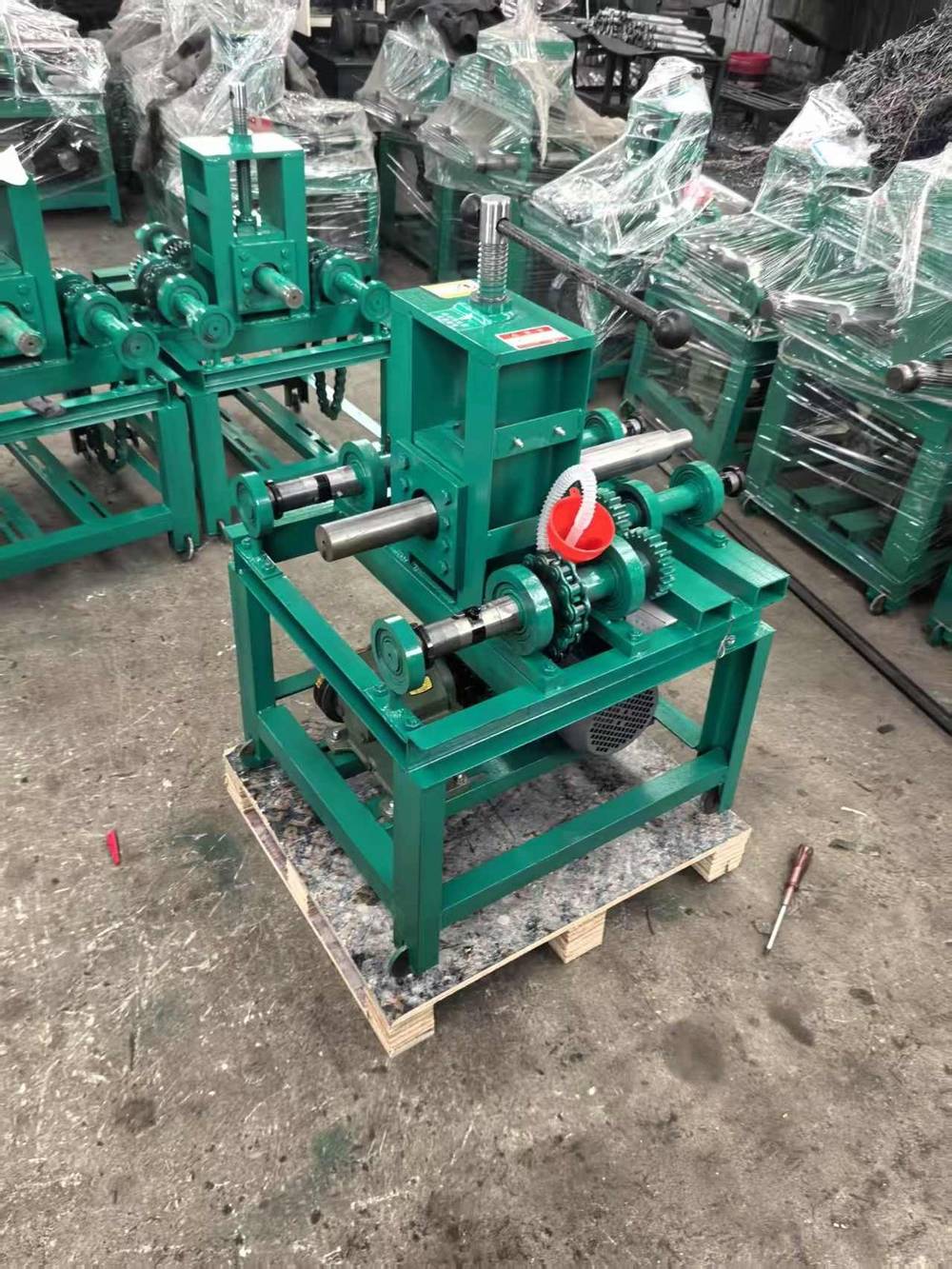
1. Your Pipe Diameter Is 76mm or Less
Most railing, gate, furniture frame, and greenhouse bending requirements fall within the 19–76mm range. An electric vertical pipe bender covers this range completely — no need to pay extra for larger capacity you won’t use.
2. You Do Small-Batch, Multi-Size Work
If your orders are “not huge volume but many sizes” — bending 25mm round pipe today, 40mm square tube tomorrow, then 50mm round the day after — an electric vertical bender wins on flexibility. Die changes are quick, and operation is straightforward compared to a hydraulic press.
3. Budget Is Limited
A 76-type electric vertical bender costs approximately $500–$800 factory-direct, while the cheapest hydraulic bender starts at $1,500. For a startup fabrication shop, the savings can go toward dies, raw materials, and other equipment.
4. Your Workshop Lacks Three-Phase Power
Many hydraulic benders require 380V three-phase power, and the hydraulic pump draws significant current. Electric vertical benders offer 220V single-phase options (38-type), running on standard shop power.
5. You Want Simple Maintenance
The core components of an electric vertical bender are the motor, main shaft, and bearings. Daily maintenance means lubrication and tightening. Hydraulic machines add hydraulic oil, seals, pumps, and valves — oil leaks, oil changes, and seal replacements are all extra maintenance costs.
When to Choose a Hydraulic Pipe Bender?
1. You Need to Bend Thick-Wall or Large-Diameter Pipe
If your pipe wall thickness exceeds 3mm, or diameter exceeds 89mm, electric vertical benders struggle. Hydraulic benders handle 5mm+ wall steel pipe easily, with diameters up to 114mm and beyond (custom models).
2. Your Orders Are Large-Batch, Same-Size
If you bend 500 identical pipes daily, a hydraulic bender’s semi-automatic or fully automatic functions dramatically increase efficiency. Electric vertical benders require manual loading and operation, creating a noticeable gap at high volumes.
3. You Need Extremely High Bend Precision
Hydraulic benders typically achieve ±1° accuracy, while electric vertical benders generally deliver ±2°. If you produce precision structural parts, aerospace components, or high-standard engineering work, this difference matters.
4. You Bend Hard Materials
For stainless steel, alloy steel, and other hard materials, the sustained pressure from a hydraulic system is more stable than motor-driven force, producing better bend quality with less risk of wall deformation.
Cost Comparison: Beyond the Purchase Price
Many buyers only compare machine purchase prices, but the true cost is Total Cost of Ownership (TCO):
| Cost Item | Electric Vertical Bender | Hydraulic Bender |
|---|---|---|
| Purchase Price | $150–$800 | $1,500–$5,000+ |
| Die Cost | $100–$200/set | $300–$800/set |
| Power Consumption | Low (1–2.2kW) | High (3–7.5kW) |
| Annual Maintenance | ~$50–$100 | ~$200–$500 |
| Operator Skill Required | Low (simple training) | Medium–High (hydraulic knowledge) |
| Downtime Risk | Low (simple structure, few failures) | Medium (hydraulic leaks, pressure loss) |
Bottom line: For small-to-medium fabrication shops processing up to 5,000 pipes per year, the total cost of ownership of an electric vertical bender is far lower than a hydraulic machine. Only when your volume reaches a certain scale, or your pipe specifications exceed the electric machine’s capacity, does a hydraulic bender become more cost-effective.
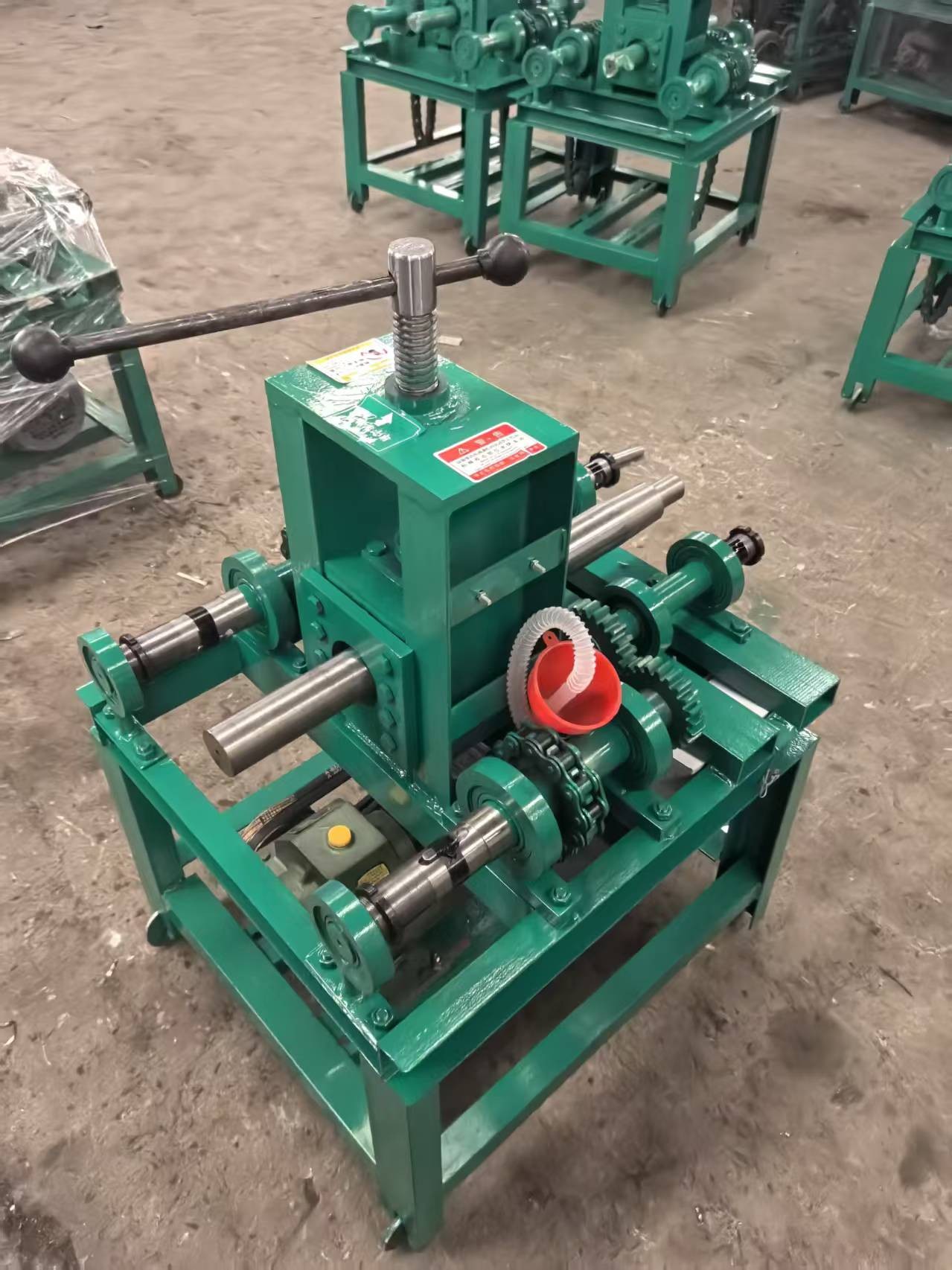
Our Recommendation: Start Electric, Upgrade as Needed
If you’re a startup fabrication shop, foreign trade buyer, or project-based engineering team, starting with an electric vertical pipe bender is the most pragmatic choice:
- ✅ Low investment, fast payback
- ✅ Covers 80%+ of common bending needs
- ✅ Simple operation, no specialized training
- ✅ Low maintenance, low failure rate
When your business grows to require batch production, or clients start demanding larger diameters and thicker walls, upgrading to a hydraulic bender makes sense.
Which Model to Choose?
| Model | Round Pipe Range | Motor | Best For |
|---|---|---|---|
| 38-type | 16–25mm | 1.1kW | Small fabrication, furniture, decorative |
| 63-type | 19–63mm | 1.5–2.0kW | Railings, gates, general fabrication |
| 76-type | 19–76mm | 2.2kW | Heavy structural, agricultural, industrial |
Not sure which one? Start with the largest pipe diameter you regularly bend, then choose a model that covers it with room to spare. For detailed guidance, see our Vertical Pipe Bending Machine Buying Guide.
Summary
| Your Situation | Recommendation |
|---|---|
| Pipe ≤76mm, budget-limited, small batch | Electric Vertical Pipe Bender |
| Pipe ≤76mm, but need high precision or large batch | Start electric, upgrade to hydraulic later |
| Pipe >89mm, or wall >3mm | Hydraulic Pipe Bender |
| Stainless/alloy steel, large batch | Hydraulic Pipe Bender |
| Just starting, unsure of needs | Electric Vertical Pipe Bender (low cost to try) |
Simply put: 80% of pipe bending needs can be met by an electric vertical bender. Hydraulic benders serve specific scenarios — it’s not about which is more expensive, but which is right for the job.
Get Factory-Direct Pricing
Whether you need an electric vertical pipe bender or a hydraulic one, TubeFabTech connects you directly with manufacturing partners. Tell us your pipe sizes, materials, and expected volume — we’ll recommend the right model with a competitive quote.
📧 Email: tubefab.cn@outlook.com 🌐 Website: tubefabtech.com
Worldwide shipping. Bulk orders supported for distributors, workshops, and fabricators.