How to Choose a Vertical Pipe Bending Machine: A Complete Buying Guide
A vertical pipe bending machine is the most cost-effective tool for bending round and square steel pipes into large-radius arcs. Models range from 38-type (φ16-25mm) to 76-type (φ19-76mm), priced $300-$650 factory direct. This guide covers pipe diameter range, motor power, die compatibility, and pricing to help you choose the right model.
But not all pipe benders are built the same. Pipe diameter range, motor power, die compatibility, and frame construction all determine whether a machine will handle your projects — or struggle with them. This guide breaks down everything you need to know before buying, so you can choose with confidence.
What Is a Vertical Pipe Bending Machine?
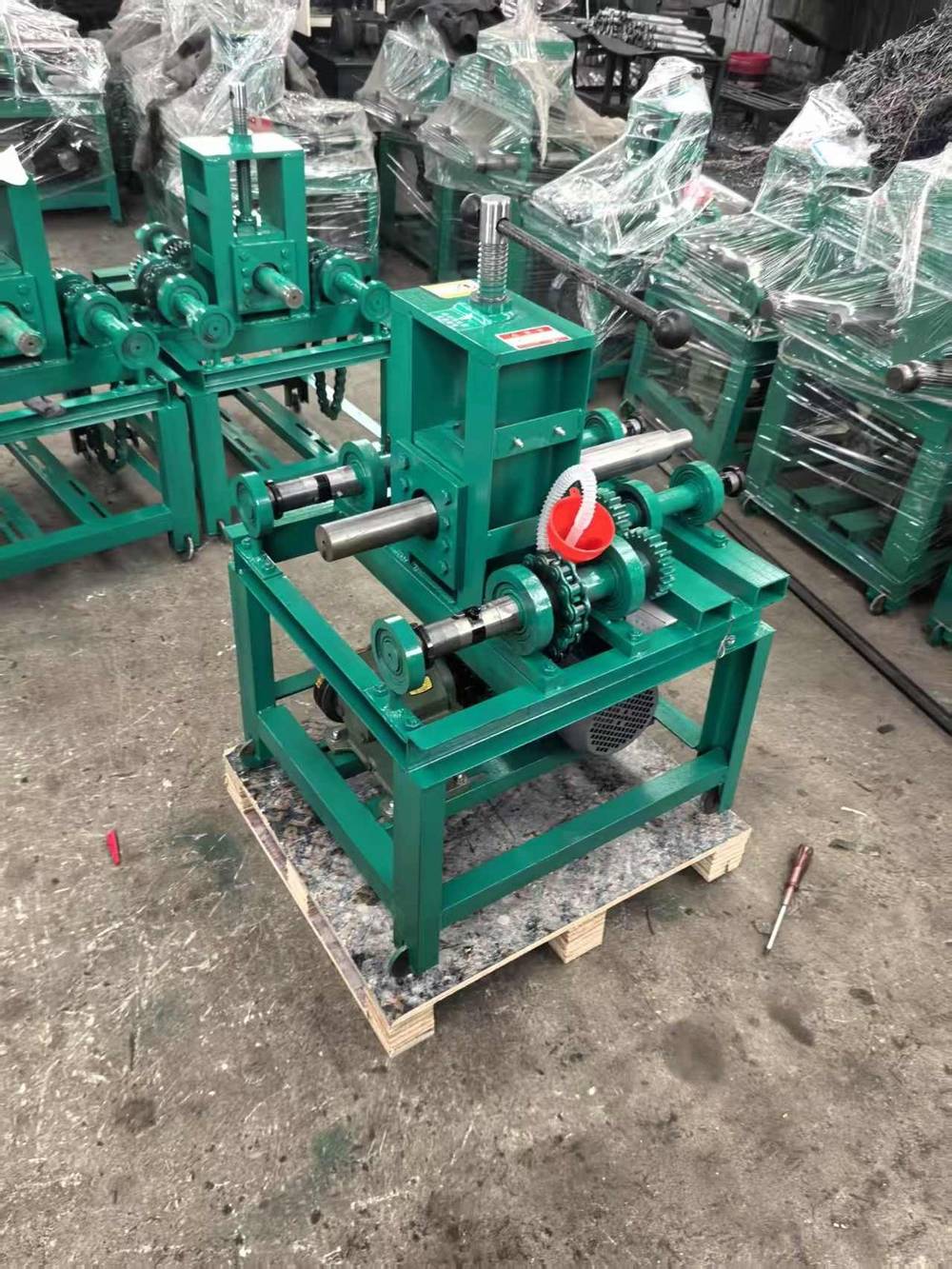
A vertical pipe bending machine is an electric-powered tool that bends metal pipes and tubes to precise angles using a rotating die set. Unlike hand-operated benders that rely on physical leverage, a vertical bender uses an electric motor to drive the bending mechanism — giving you consistent results with far less effort.
The “vertical” design means the bending die rotates on a vertical plane. You load the pipe horizontally, and the machine draws it around the die. This configuration is compact, stable, and ideal for workshop environments.
These machines are commonly used for:
- Steel pipe fabrication — handrails, gates, fences, furniture frames
- Agricultural equipment — greenhouse frames, livestock pens, irrigation supports
- Construction and scaffolding — structural bends for custom fittings
- Automotive and exhaust work — custom exhaust pipes and roll cages
- Small-batch manufacturing — repeatable production bends without CNC programming
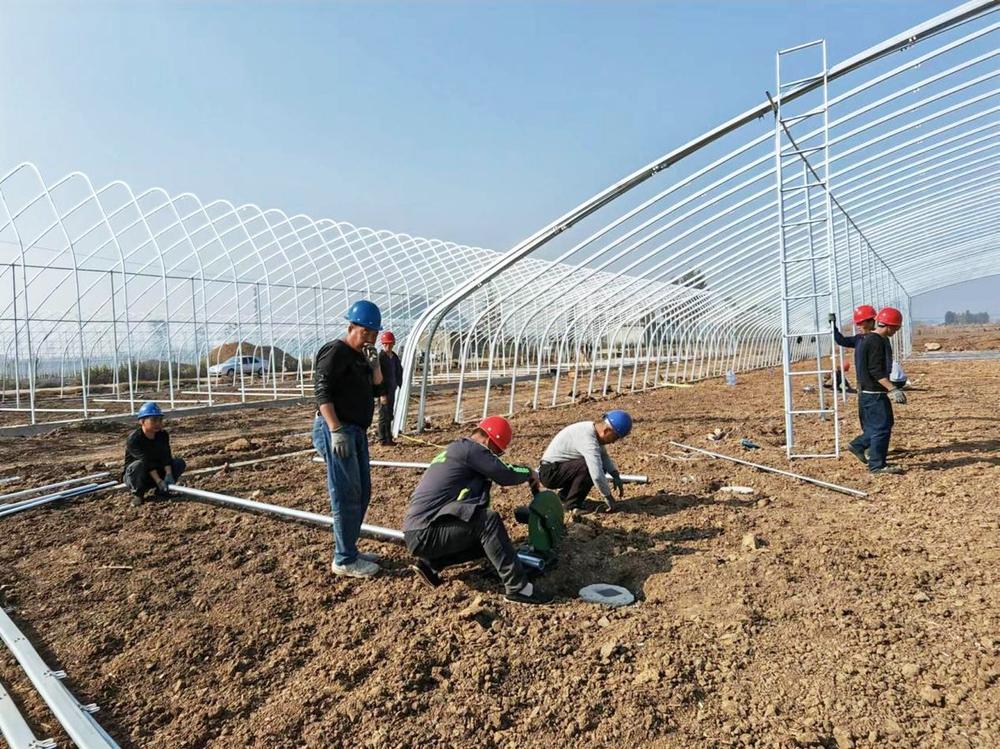
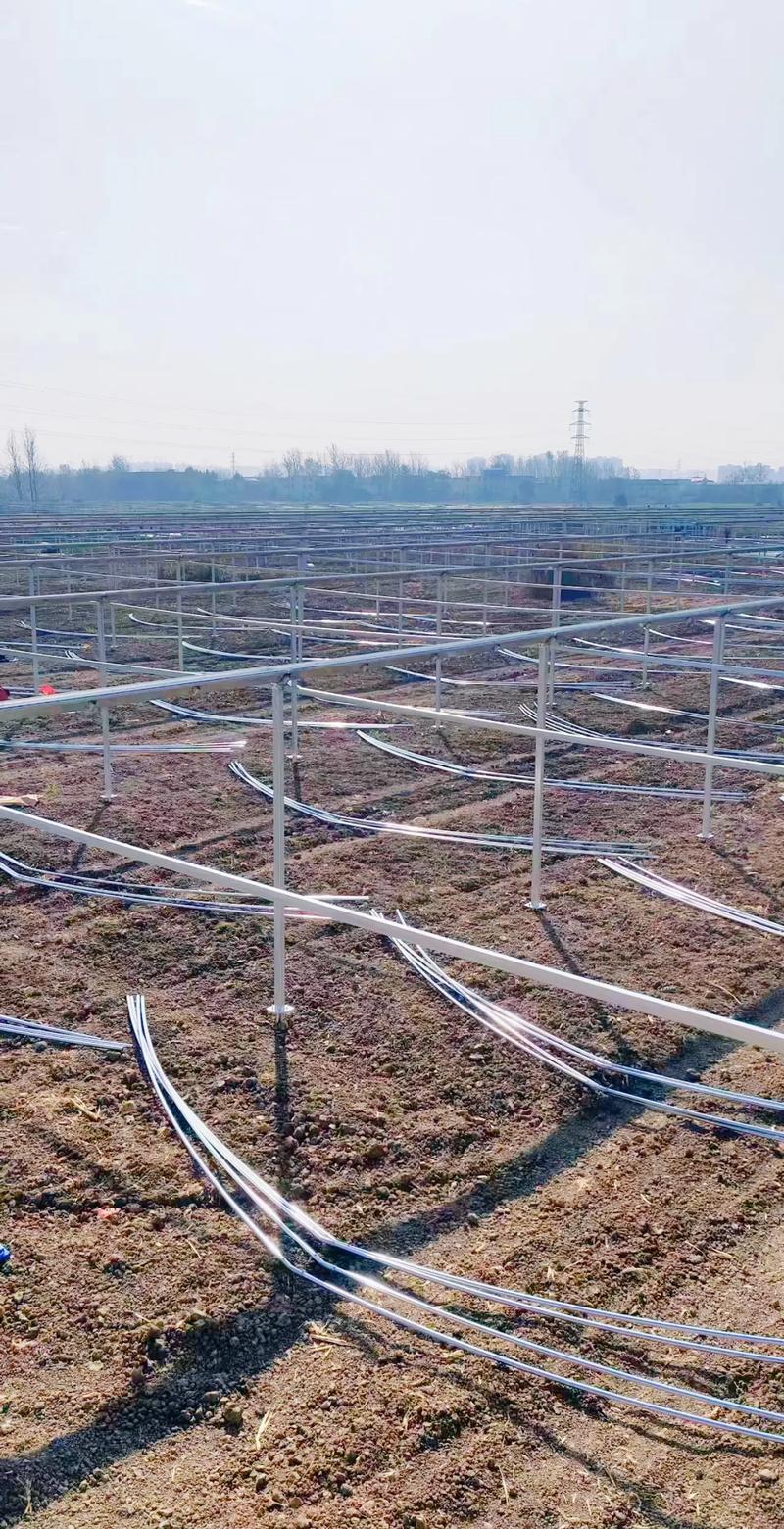
Most vertical benders handle mild steel and carbon steel round and square tubing. Some models also accommodate stainless steel, depending on wall thickness and machine capacity.
Key Factors to Consider
1. Pipe Diameter Range
This is the single most important specification. Every vertical bender has a minimum and maximum pipe diameter it can handle. Before buying, identify the smallest and largest pipe sizes you work with.
Here’s a typical breakdown across model sizes:
| Model Class | Round Pipe Range | Square Tube Range | Typical Applications |
|---|---|---|---|
| Compact (38-type) | 16–25 mm (5/8“–1”) | 16–40 mm | Small frames, furniture, decorative work |
| Mid-Range (63-type) | 19–63 mm (3/4“–2-1/2”) | 20–50 mm | Railings, gates, medium structural work |
| Heavy-Duty (76-type) | 19–76 mm (3/4“–3”) | 20–60 mm | Heavy structural, agricultural, industrial |
Tip: Always choose a machine whose maximum capacity exceeds your largest pipe by at least one size. Running a bender at its absolute limit shortens its lifespan and reduces bend quality.
Also check whether the machine supports both round and square tubing — most vertical benders do, but you’ll need the corresponding die sets for each.
2. Motor Power and Voltage
Motor power directly affects how thick a pipe wall you can bend. A more powerful motor handles thicker-walled pipes with less strain.
| Power Rating | Typical Wall Thickness | Best For |
|---|---|---|
| 1.1 kW | Up to ~1.5 mm wall | Light-duty, thin-walled tubing |
| 2.2 kW | Up to ~2.5 mm wall | General fabrication, most common |
| 3.0+ kW | Up to ~3 mm+ wall | Heavy industrial, thick-walled steel |
Voltage options matter too — especially if you’re buying internationally. Common configurations include:
- 220V single-phase — standard household/shop power in many countries
- 380V three-phase — industrial power, required for larger motors (2.2 kW+)
- Dual voltage (220/380V) — flexible, works in most environments
If your workshop only has single-phase power, make sure the machine you choose supports 220V. A 380V-only machine will require a phase converter or industrial wiring.
3. Bending Angle and Accuracy
Most vertical pipe benders can achieve bends up to 90° in a single operation, and many can reach 180° with a second pass or die rotation. For precise work, look for:
- A degree scale or angle indicator on the machine frame
- A positive stop mechanism that locks at common angles (45°, 90°, 180°)
- Low springback design — steel pipes naturally spring back slightly after bending, so the machine should over-bend by a small margin to compensate
For most fabrication work, a bend accuracy within ±2° is acceptable. Tighter tolerances require higher-quality dies and a more rigid frame.
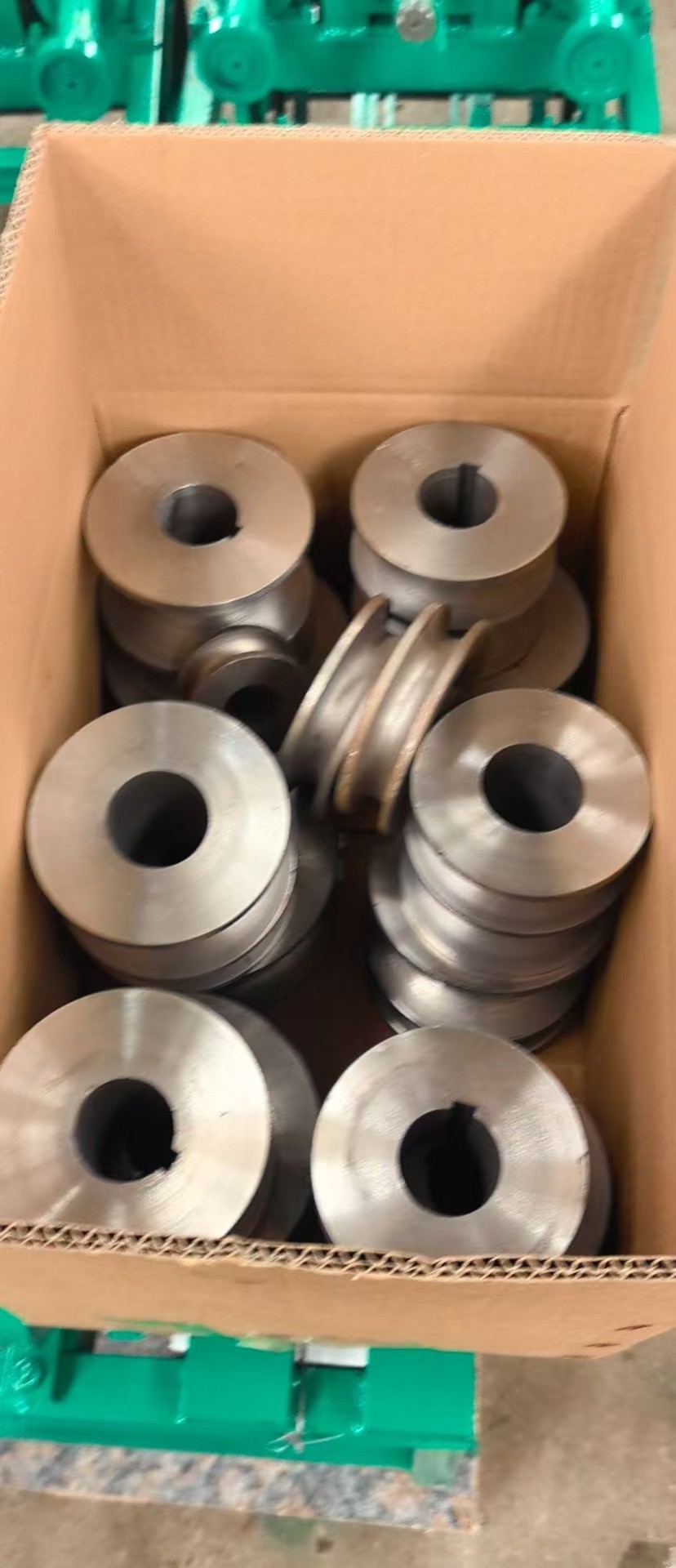
4. Die Sets and Tooling
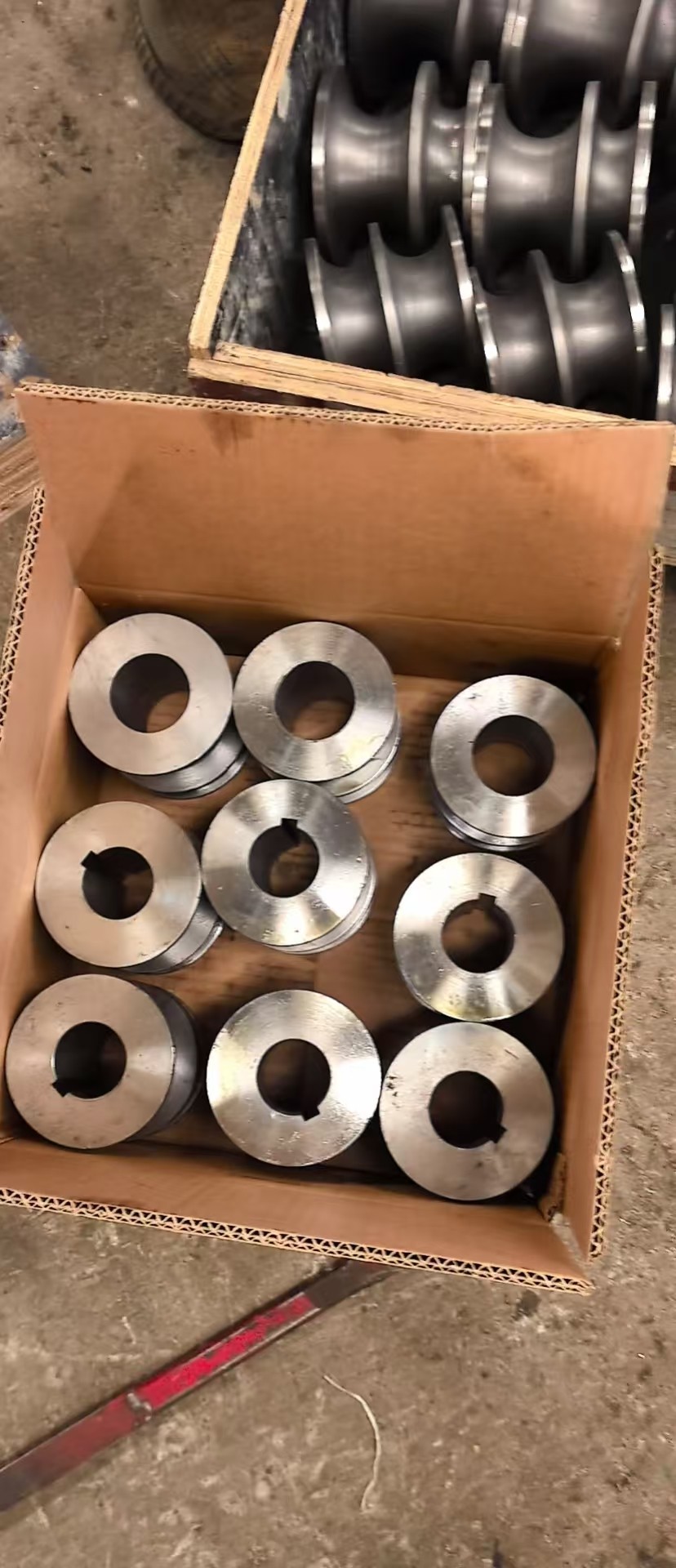
The bending die (also called a “shoe” or “form”) determines the pipe size and bend radius the machine can produce. Most vertical benders come with or accept interchangeable die sets.
Round pipe die sets typically cover a range like: 19, 22, 25, 32, 38, 51, 63, 76 mm.
Square tube die sets typically cover: 20, 25, 30, 40, 50, 60 mm.
Key questions to ask when evaluating die sets:
- Are dies included with the machine, or sold separately?
- What material are the dies made of? (Cast iron is standard; hardened steel lasts longer)
- Can you order custom die sizes for non-standard pipe dimensions?
- Are dies readily available from the supplier for future expansion?
5. Build Quality and Frame Construction
A vertical pipe bender handles significant mechanical force, so frame rigidity is critical. Look for:
- Heavy cast iron or welded steel frame — provides stability and reduces vibration
- Hardened bending dies — resist wear and maintain bend precision over thousands of cycles
- Precision-machined shaft and bearings — ensure smooth rotation and consistent results
- Anti-corrosion treatment — important if the machine will be used in humid or outdoor environments
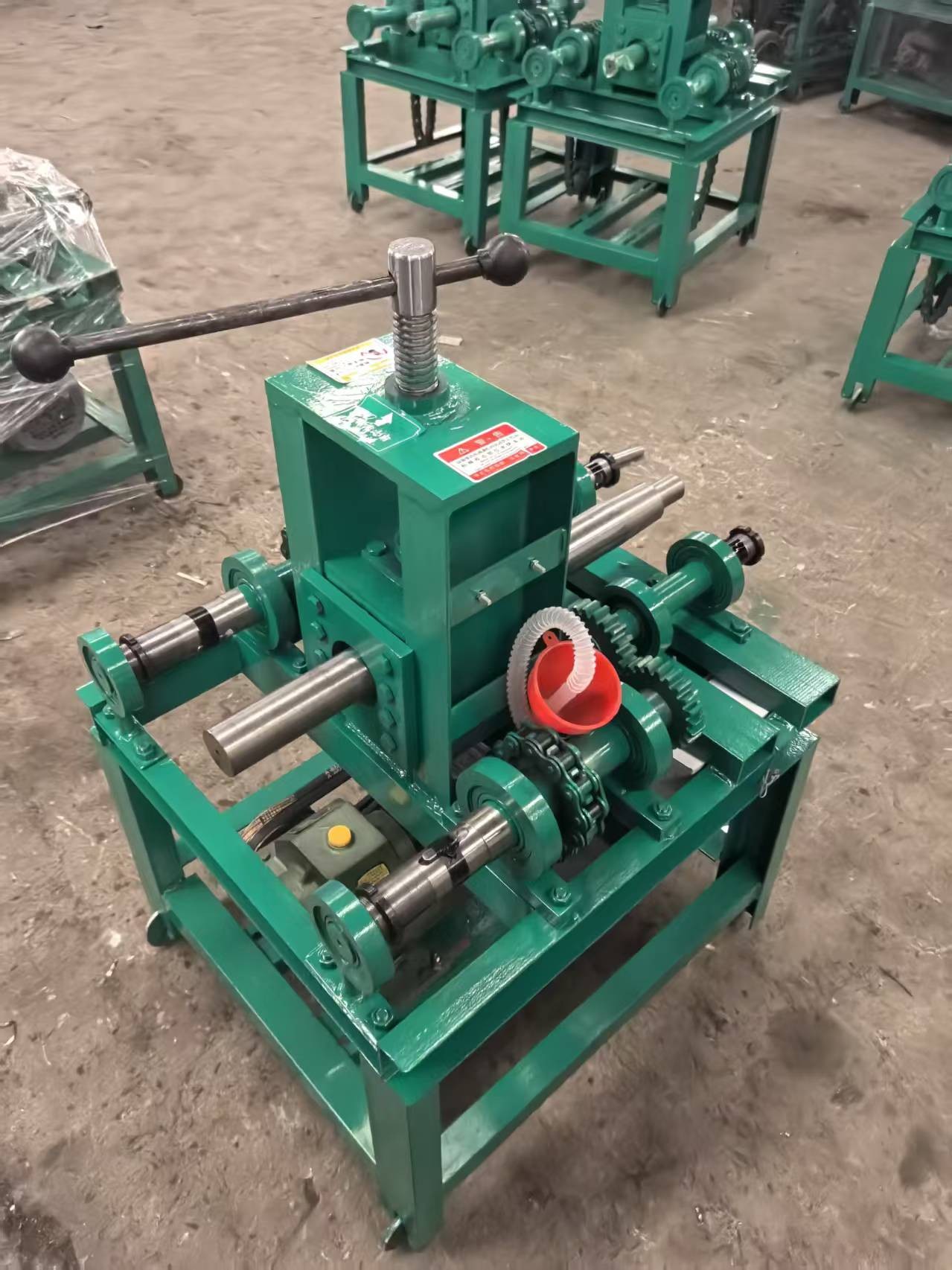
Machine weight is a good indicator of build quality. A heavier machine (130+ kg for a 76-type) generally means a more rigid frame that produces cleaner bends.
Vertical Pipe Bender Price Ranges
Prices vary significantly based on capacity, motor power, and included tooling. Here’s what to expect:
Entry Level: $150 – $300
Compact machines (38-type) with smaller motors (1.1 kW), suitable for thin-walled tubing up to 25 mm. Often include a basic die set. Good for small workshops, hobbyists, and light fabrication.
Mid-Range: $300 – $500
Medium-capacity machines (63-type) that handle pipes up to 63 mm. More powerful motors and sturdier frames. Often include multiple die sizes. Suitable for railings, gates, and general fabrication shops.
Professional Grade: $500 – $800+
Heavy-duty machines (76-type) with 2.2 kW+ motors, capable of bending steel pipe up to 76 mm with wall thickness up to 2.5 mm. Include comprehensive die sets and are built for daily production use. Ideal for industrial fabrication, agricultural equipment manufacturing, and distributor-level buyers.
Note: Prices above reflect factory-direct sourcing. Retail markups of 30–60% are common when buying through local distributors or online marketplaces.
Where to Buy: Factory Direct vs. Retail
Buying from a Retailer
Pros: Fast local shipping, easy returns, can inspect before buying. Cons: Higher prices (30–60% markup), limited model selection, generic specifications, no customization.
Buying Factory Direct
Pros: Lower per-unit cost (often 40–50% savings), ability to specify die configurations, bulk pricing for multi-unit orders, direct technical support from the manufacturer. Cons: Longer shipping times for international orders (typically 2–4 weeks), minimum order quantities may apply for custom configurations.
For businesses purchasing multiple units or requiring specific die setups, factory-direct sourcing delivers the best value. You get the same machine quality at a fraction of the retail price — plus the ability to customize your tooling package.
Choosing the Right Model: Quick Reference
| Factor | Compact (38-type) | Mid-Range (63-type) | Heavy-Duty (76-type) |
|---|---|---|---|
| Round Pipe | 16–25 mm | 19–63 mm | 19–76 mm |
| Square Tube | 16–40 mm | 20–50 mm | 20–60 mm |
| Motor | 1.1 kW | 1.5–2.0 kW | 2.2 kW |
| Weight | ~88 kg | ~110 kg | ~135 kg |
| Voltage | 220/380V | 220/380V | 380V |
| Best For | Small frames, furniture | Railings, gates, general fab | Structural, agricultural, industrial |
| Price Range | $150–$300 | $300–$500 | $500–$800 |
Still not sure which model fits your needs? The simplest approach is to start with the largest pipe diameter you need to bend regularly, then choose a model that covers that size with room to spare.
Final Checklist
Before you buy a vertical pipe bending machine, make sure you’ve covered these points:
- ✅ Know your minimum and maximum pipe diameters (round and square)
- ✅ Confirm your pipe material and wall thickness
- ✅ Check your workshop’s power supply (220V vs. 380V)
- ✅ Verify the machine includes the die sizes you need
- ✅ Choose a model with capacity headroom — don’t buy at your exact limit
- ✅ Compare factory-direct pricing before paying retail markup
- ✅ Ask about spare parts availability and warranty terms
A well-chosen vertical pipe bender is a workhorse that can serve your workshop for years. Whether you’re bending handrails or fabricating greenhouse frames, the right machine pays for itself in productivity and precision.
Get Factory Direct Pricing
Ready to source a vertical pipe bending machine at wholesale prices? TubeFabTech connects you directly with manufacturing partners — no retail markup, no middleman.
Tell us your pipe sizes, materials, and expected volume, and we’ll recommend the right model with a competitive quote.
📧 Email: tubefab.cn@outlook.com 🌐 Website: tubefabtech.com
We ship worldwide and support bulk orders for distributors, workshops, and fabricators.