Best Pipe Bender for Greenhouse Hoops: Complete Buying Guide 2026
For bending greenhouse hoops, the vertical electric pipe bender is the clear winner. It delivers the large-radius arc bending that greenhouse frames demand, runs on electric power so you don’t exhaust yourself cranking by hand, and costs a fraction of what a CNC machine would set you back. If you’re building hoop houses, polytunnels, or commercial greenhouse structures, this is the machine that gets the job done — efficiently, consistently, and at a price that makes sense.
Let me walk you through why, and help you pick the exact model for your greenhouse project.
Understanding Greenhouse Hoop Bending Requirements
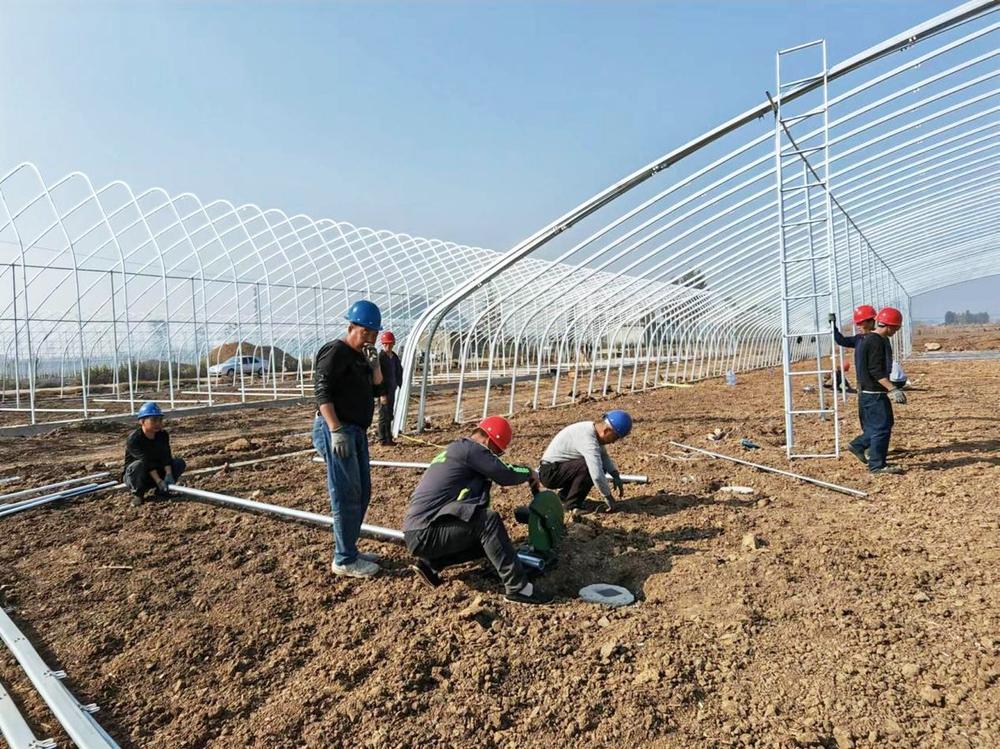
What Are You Actually Bending?
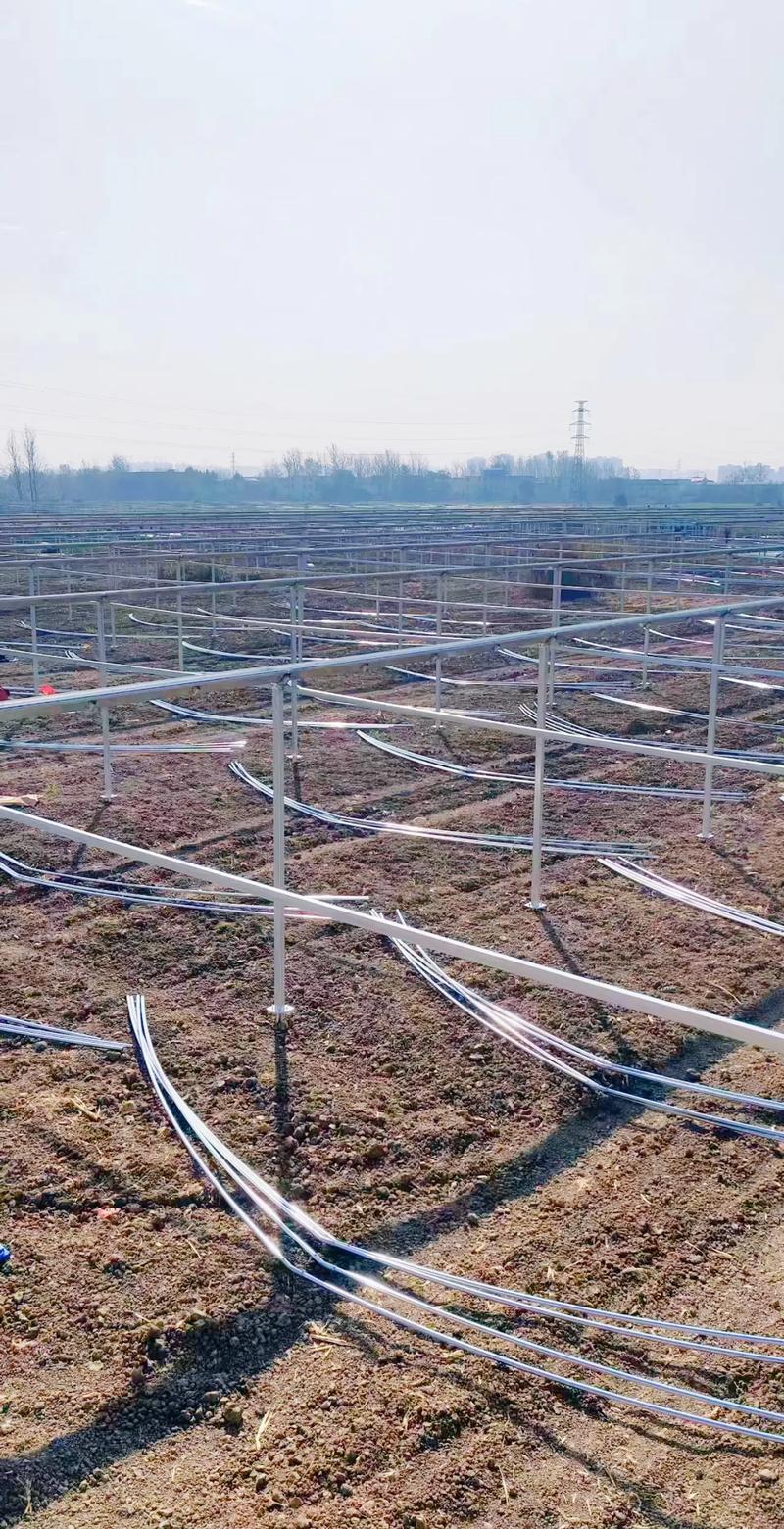
A greenhouse hoop isn’t a sharp angle — it’s a smooth, continuous arc that spans the entire width of the structure. Think of it as bending a straight pipe into a half-circle or a Gothic arch that forms the roof and walls in one piece. This is fundamentally different from bending a bracket at 90°.
Here’s what that means in practice:
- Bending radius is large — typically 2 to 4 meters (6.5–13 ft), depending on the greenhouse span
- The entire pipe length gets bent — you feed a full 6-meter (20 ft) pipe through and it comes out as one curved hoop
- Consistency matters — every hoop in your greenhouse needs the same curve, or the frame won’t line up during assembly
Common Pipe Materials and Sizes
Greenhouse builders typically work with three types of pipe:
| Pipe Material | Typical Use | Pros | Cons |
|---|---|---|---|
| EMT conduit | Small hoop houses, DIY projects | Lightweight, affordable, readily available | Thin wall — less durable in snow/wind loads |
| Galvanized steel pipe | Standard and commercial greenhouses | Rust-resistant, strong, long-lasting | Slightly more expensive |
| Black steel pipe | Heavy-duty commercial frames | Strongest option, thick walls | Requires anti-rust treatment after bending |
Common pipe diameters for greenhouse hoops range from 1/2″ to 1-1/4″ (13mm–32mm) for most residential and light commercial builds. Larger commercial greenhouses may go up to 1-1/2″ (38mm) or even 2″ (50mm) for structural rigidity in high-wind or snow-load regions.
The key point: greenhouse hoops need a machine that can handle these pipe sizes while producing a wide, gentle arc — not a tight corner.
Three Types of Pipe Benders Compared
1. Manual Pipe Benders (Hand Tools)
Manual benders are the cheapest option — essentially a lever-and-die tool you operate by hand. They cost anywhere from $80 to $200 and can handle small-diameter EMT conduit (1/2″ to 3/4″).
The problem? Greenhouse hoops require bending full-length pipes into large arcs. A manual bender is designed for short, tight bends at specific angles. Trying to form a 4-meter-wide hoop arc with a hand tool is exhausting, inconsistent, and impractical for any project beyond a single small cold frame.
Verdict: Fine for a one-off DIY mini-hoop. Not viable for real greenhouse construction.
2. Vertical Electric Pipe Benders (The Best Choice)
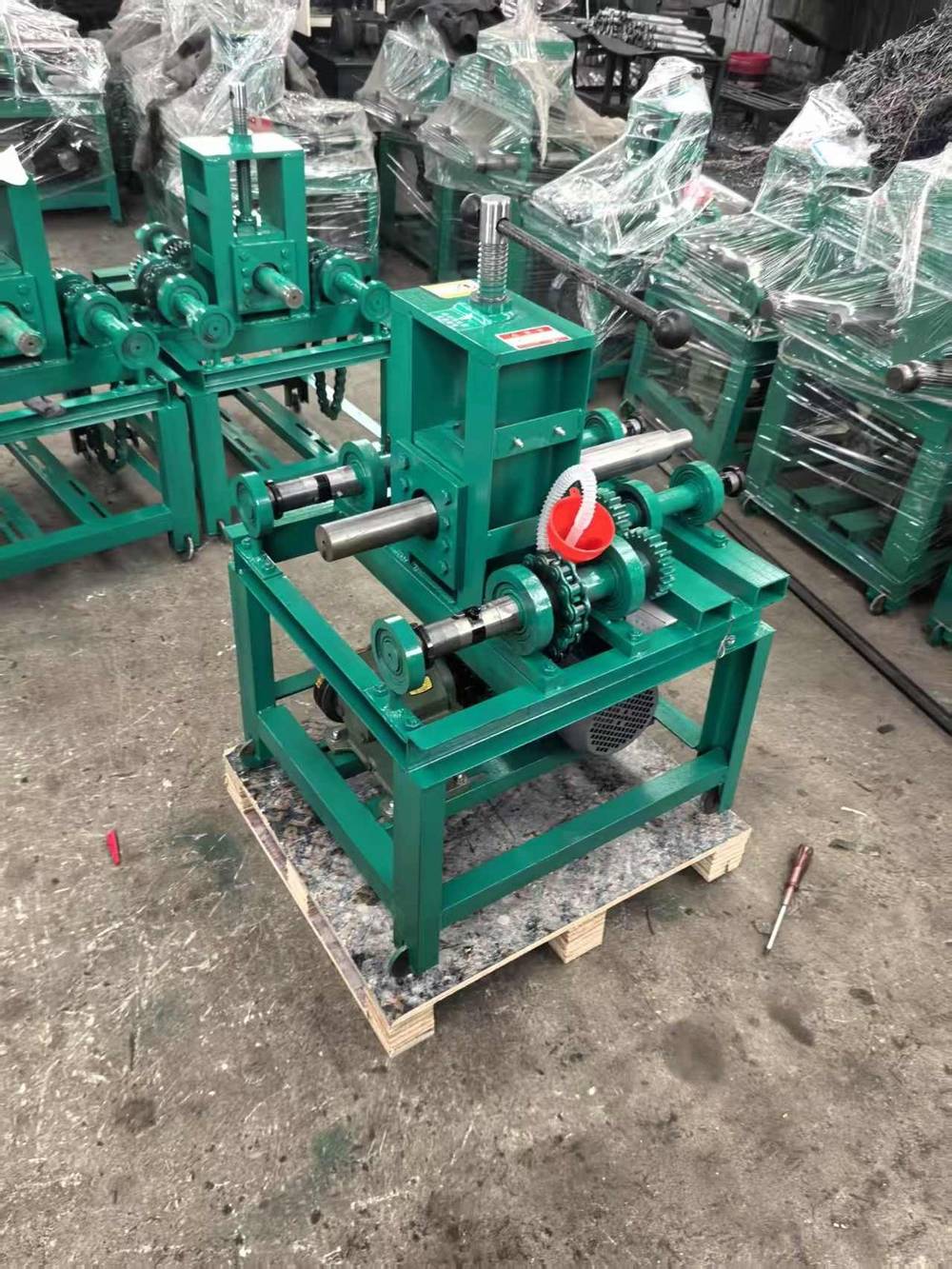
This is where things get serious. The vertical electric pipe bender uses a three-roller system driven by an electric motor. You feed the pipe through the rollers, adjust the top roller’s downward pressure via a hand-cranked lead screw, and the motor does the heavy work of pulling the pipe through and forming the arc.
Why this is the ideal greenhouse hoop bender:
- Large bending radius by design — the roller system naturally produces wide, gradual arcs, which is exactly what a greenhouse hoop requires
- Electric motor drive — no manual cranking through 6 meters of steel pipe; the motor pulls it through
- Whole-pipe bending — feed an entire length of pipe and get a consistent curve from end to end
- Repeatable results — once you dial in the roller pressure, every subsequent pipe comes out with the same radius
- Affordable — factory-direct pricing from China puts these machines at $365–$780, depending on model
This is the machine that greenhouse builders actually use in the field. Not a CNC. Not a hand tool. The vertical electric bender.
3. CNC Platform Pipe Benders
CNC benders are impressive machines — they feature an encoder for digital angle feedback, a display panel where you preset exact bend angles, and foot-pedal operation for hands-free pipe positioning. They can produce precise 90° and 180° bends on larger round and square tubes.
But here’s the thing: greenhouse hoops don’t need 90° or 180° precision bends. They need large-radius arcs. A CNC bender’s rotating die is designed for sharp angles at specific points along a pipe, not for forming a smooth curve across its entire length.
CNC machines start at around $3,000+ and go up significantly from there. For greenhouse hoop bending, you’d be paying for precision you don’t need and getting a machine that isn’t optimized for the wide arcs your project demands.
Verdict: Excellent for furniture frames, brackets, and structural fittings. Overkill and mismatched for greenhouse hoops.
Want a deeper dive on how these two machine types compare? Read our vertical vs CNC pipe bender comparison.
Vertical Electric Bender Model Guide for Greenhouse Hoops
Not all vertical benders are the same size. The model you choose depends on the pipe diameter you’re working with and the scale of your greenhouse project. Here’s a breakdown of the three main models:
| Spec | Type 38 | Type 63 | Type 76 |
|---|---|---|---|
| Motor power | 1.1 KW | — | 2.2 KW |
| Machine weight | 88 kg | — | 135 kg |
| Round pipe range | φ16–25mm | φ19–63mm | φ19–76mm |
| Square tube range | 16–40mm | 20–50mm | 20–60mm |
| Voltage | 220V / 380V | — | 380V |
| Main shaft diameter | — | — | φ48mm |
| Best for | Small hoop houses, cold frames | Standard greenhouses (4m–6m span) | Large commercial greenhouses, multi-span structures |
| Price range | $365–$480 | $480–$650 | $650–$780 |
Which Model Do You Need?
Type 38 (φ16–25mm): Choose this if you’re building small hoop houses, low tunnels, or cold frames using EMT conduit or thin-wall galvanized pipe. It handles the lighter pipe sizes common in backyard and small-farm projects. The 1.1KW motor is sufficient for these smaller diameters, and at 88kg, the machine is manageable for a small workshop.
Type 63 (φ19–63mm): This is the sweet spot for most greenhouse builders. It covers the standard pipe sizes used in 4-meter and 6-meter span greenhouses — typically 3/4″ to 1-1/4″ galvanized pipe. If you’re building a standard polytunnel or single-span greenhouse, this model gives you the capacity without overpaying for range you won’t use.
Type 76 (φ19–76mm): The heavy-duty option. With a 2.2KW motor, 135kg of mass, and a φ48mm main shaft, this machine handles the larger pipe diameters needed for commercial multi-span greenhouses, gutter-connected structures, and high snow-load frames. If you’re bending 1-1/2″ or 2″ pipe for a serious agricultural operation, this is your machine.
Practical Tips for Bending Greenhouse Hoops
Pipe Material Selection
For most greenhouse projects, galvanized steel pipe is the recommended choice. It offers the best balance of strength, rust resistance, and cost. EMT conduit works for light-duty small hoops but will deform under heavy snow or wind loads. Black steel pipe is the strongest but requires galvanizing or painting after bending to prevent rust.
Bend Radius and Span Design
The bending radius of your hoops directly determines the greenhouse span (width). Here are common configurations:
| Greenhouse span | Approximate hoop radius | Typical pipe diameter |
|---|---|---|
| 4 meters (13 ft) | ~2 meters | 3/4″ (19–20mm) |
| 6 meters (20 ft) | ~3 meters | 1″ (25mm) |
| 8 meters (26 ft) | ~4 meters | 1-1/4″ (32mm) |
To calculate the hoop radius for a desired span, divide the span width by 2 for a perfect semicircle. For Gothic-arch profiles (taller than wide), the radius will be slightly smaller. The vertical bender’s adjustable roller pressure lets you dial in any of these radii.
The Bending Process
Here’s how a typical greenhouse hoop bending session works:
- Cut your pipe to length — standard hoops use 6-meter (20 ft) pipes for a 4–6m span
- Set the roller pressure — start with light pressure and test-bend a scrap piece to check the radius
- Feed the pipe through — the motor pulls the pipe through the rollers; guide it steadily
- Check the arc — lay the bent pipe on the ground and compare it to your template or measure the span
- Adjust and repeat — fine-tune the roller pressure until the radius matches your design
- Bend all hoops — once dialed in, bend every pipe with the same settings for consistent results
Anti-Rust Treatment
If you’re using galvanized pipe, the bending process may crack the zinc coating at stress points. After bending, inspect each hoop and apply cold galvanizing spray to any compromised areas. For black steel pipe, a full coat of rust-inhibiting primer and paint is essential before installation.
Price Comparison: What Should You Budget?
| Machine Type | Price Range | Suitable for Greenhouse Hoops? |
|---|---|---|
| Manual hand bender | $80–$200 | Small DIY only |
| Vertical electric (Type 38–76) | $365–$780 | ✅ Yes — best choice |
| CNC platform bender | $3,000+ | ❌ Overkill |
The vertical electric bender sits in a pricing sweet spot. You’re getting a motorized, production-capable machine for less than $800. Compare that to a CNC bender at $3,000 minimum — you’d be paying 4–8x more for angle precision you don’t need.
Buying Advice: Sourcing from China
Most vertical electric pipe benders are manufactured in China, and buying factory-direct offers significant cost advantages. Here’s what to keep in mind:
Check for CE certification. A reputable manufacturer should provide CE documentation, especially if you’re importing to Europe. This ensures the machine meets basic electrical safety standards.
Verify voltage compatibility. The Type 38 supports both 220V and 380V, while the Type 76 requires 380V (three-phase). Make sure your workshop has the right power supply, or specify your voltage requirement when ordering.
Ask about after-sales support. Look for suppliers who offer spare parts availability, technical guidance via video call, and a clear warranty policy. Roller wheels and chain components are wear items — confirm you can get replacements.
Request a video demonstration. Before purchasing, ask the supplier to send a video of the machine bending pipe at your required diameter and radius. This verifies the machine can handle your specific application.
For a complete guide on evaluating vertical bender specifications, check out our vertical pipe bender buying guide.
Conclusion
When it comes to bending greenhouse hoops, the vertical electric pipe bender is the right tool for the job — no question about it. It produces the large-radius arcs that greenhouse frames require, handles the pipe sizes and materials most builders use, and does it all at a price point that makes sense for both small farms and commercial operations.
You don’t need CNC precision for a hoop house. You need consistent, smooth arcs across full-length pipes — and that’s exactly what a vertical electric bender delivers. Choose the Type 38 for small hoop houses, the Type 63 for standard greenhouses, or the Type 76 for large commercial structures.
Need a greenhouse hoop bender? Contact TubeFab for factory-direct pricing on vertical electric pipe benders. Send us your pipe specs (material, diameter, wall thickness, and desired span), and we’ll recommend the right model — with CE certification, spare parts support, and technical guidance included.
TubeFab helps greenhouse builders, farmers, and fabricators worldwide source the right pipe bending equipment at competitive factory-direct prices. Reach out anytime — we’re happy to help you choose the right machine for your project.